
· 4 min read
Travelling with your pet: the documents you'll actually need
Microchips, rabies certificates, health certificates and pet passports, and how to keep them together before a trip.
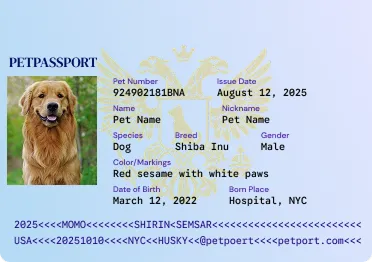
A trip with your pet can be great, or it can stall at a check-in desk because one piece of paper is missing. Requirements change from country to country and airline to airline, but most of them come down to the same few documents. Here’s what they are, and how to get ready without the last-minute panic.
1. A microchip, put in before the rabies vaccine
Most international travel starts with a microchip. Many countries, including all of the EU, expect an ISO 11784/11785 compatible chip, the standard 15-digit type.
Order matters. In many places the rabies vaccine only counts if it was given on the same day as the microchip or after it. If your pet was vaccinated before being chipped, they may need to be vaccinated again.
Write down:
- The microchip number
- The date it was put in
- Where on the body it sits (usually between the shoulder blades)
- The registry it’s registered with, and that your contact details are up to date
2. Rabies vaccination certificate
This is the document that gets checked most often. A valid certificate usually shows:
- Your pet’s microchip number
- The vaccine’s name, manufacturer and batch number
- The date given and the date it expires
- The vet’s signature and clinic details
Many destinations also have a waiting period after the first rabies vaccine. For the EU it’s 21 days. Some countries also need a rabies antibody blood test (titer test), which can add weeks or months to your timeline. Start early.
3. Health certificate
A health certificate is a recent statement from a vet that your pet is fit to travel and free of signs of contagious disease. Depending on the route, it may need to be:
- Issued within a short window before travel, often 10 days
- Signed by an officially accredited vet
- Endorsed by a government veterinary authority
4. Pet passport or official travel document
Some regions issue an official pet passport. In the EU it’s a small booklet that records the microchip, the rabies vaccine and other treatments. Elsewhere, the health certificate plus vaccine records do the same job.
5. Parasite treatments
Some destinations ask for proof of specific treatments. For example, dogs entering the UK, Ireland, Finland, Malta or Norway generally need a tapeworm treatment given by a vet 1–5 days before arrival.
A simple pre-trip timeline
| When | What to do |
|---|---|
| 3–6 months before | Check entry rules. Microchip if needed. Rabies vaccine. Book a titer test if one is required. |
| 1–2 months before | Book the airline’s pet spot. Buy and start getting your pet used to the travel crate. |
| 2–3 weeks before | Make sure all vaccines will still be valid on your travel dates. |
| About 10 days before | Vet visit for the health certificate. Get it endorsed if needed. |
| 1–5 days before | Parasite treatments, if the destination needs them. |
| Travel day | Originals in hand, digital copies on your phone. |
Keep originals, and carry a digital backup
Border officials usually want original signed documents, so bring those in a waterproof folder. But a digital copy of everything is a lifesaver if a page goes missing or a clinic abroad needs your pet’s history.
Petizen’s digital passport keeps the details in one place: identification, microchip number and location, markings, vaccines with attached certificates, and your vet’s contact. You can flip through it like a real booklet, export your vaccine records as a PDF, and show your pet’s ID card with its QR code if anyone needs to look up the profile.
Tips for the trip itself
- Practise with the crate. A crate that feels like a den is less stressful than one your pet only sees on travel day.
- Pack a small medical kit. Include current medications, a copy of your pet’s medical profile, and your vet’s phone number.
- Find a vet at your destination before you arrive. Saving one local clinic ahead of time costs nothing and helps a lot in an emergency.
- Feed lightly before flights. Ask your vet about timing, especially for small breeds or pets with medical conditions.
- Avoid sedation unless your vet recommends it. Many airlines refuse sedated pets, because sedation can affect breathing at altitude.