
· 3 min read
Why keeping your pet's health records matters, and how to organise them
Which records to keep, why they matter when you change vets, travel or face an emergency, and a simple way to keep everything in one place.
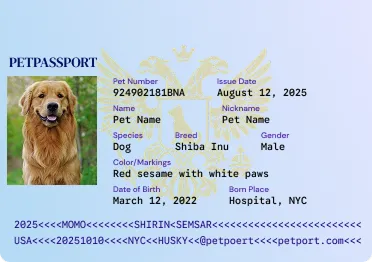
Most pet owners have a drawer of folded invoices, a vaccine card stuck to the fridge, and a few test results somewhere in their email. That works fine, until you need something specific in a hurry. A well-kept health record helps your vet make better decisions, saves you from repeating tests, and makes things like boarding, travel and changing clinics much easier.
When you’ll need your pet’s records
- Changing vets or moving. A new clinic will want your pet’s history, not just a summary.
- Emergencies. An emergency vet needs to know about allergies, conditions and medications right away.
- Second opinions and specialists. A referral goes faster when previous results and imaging are ready.
- Boarding, daycare, grooming and training. Most will ask for proof of vaccination.
- Travel. Crossing borders usually requires vaccine and microchip records.
- Spotting patterns. “She had the same ear infection last spring” is useful, but only if you can confirm it.
- Insurance claims. Insurers often ask for medical history to check for pre-existing conditions.
What to keep
Identification
- Microchip number, registry and where the chip sits
- Date of birth or estimated age, breed, sex, and whether your pet is spayed or neutered
- Distinguishing markings and recent photos
Vaccines
- Vaccine name, date, dose, batch number and next due date
- The signed certificates, especially for rabies
Medical history
- Checkup notes, diagnoses and treatments
- Surgeries and procedures, including dental cleanings
- Lab results: bloodwork, urine tests, faecal tests
- Imaging reports like X-rays and ultrasound
Ongoing information
- Allergies and any past reactions to medications or vaccines
- Chronic conditions
- Current and past medications, with doses
- Weight history
- Vets and clinics you’ve used, with contact details
Paper or digital?
Paper works if you’re very organised, but it’s easy to lose, hard to share, and never with you when you need it. A digital record:
- Goes wherever your phone goes
- Can be shared or exported in seconds
- Can hold photos of documents, wounds or rashes
- Can’t be lost in a move, or chewed by the puppy
The best system is the one you’ll actually keep up to date. Whichever you choose, add new information on the day of the visit, while the details are fresh.
How Petizen organises it
Petizen splits your pet’s information into clear sections, so you’re never digging through one long list:
- Digital passport: owner and pet pages, markings, microchip and identification
- Vaccines: each dose with dates, certificates and next due date. Clinics can also add verified records directly.
- Health records: checkups, surgeries, treatments and test results, with photo attachments
- Medical profile: allergies, chronic conditions, medications and blood type
- Weight & Growth: every weigh-in, charted over time
- Vets and clinics: your primary clinic and other vets on file
When someone needs a copy, you can export vaccine records as a PDF. If you choose to, you can also make health records visible on your pet’s public QR profile. That setting is off unless you turn it on.
A five-minute habit
After each vet visit:
- Take a photo of any certificate, invoice or result sheet.
- Add the visit with the date, the reason, and what the vet said.
- Update medications, the next vaccine due date and weight.
- Set a reminder for any follow-up.
Do that every time, and your pet’s whole history will be there when you or your vet need it.